Bitcoin Magazine
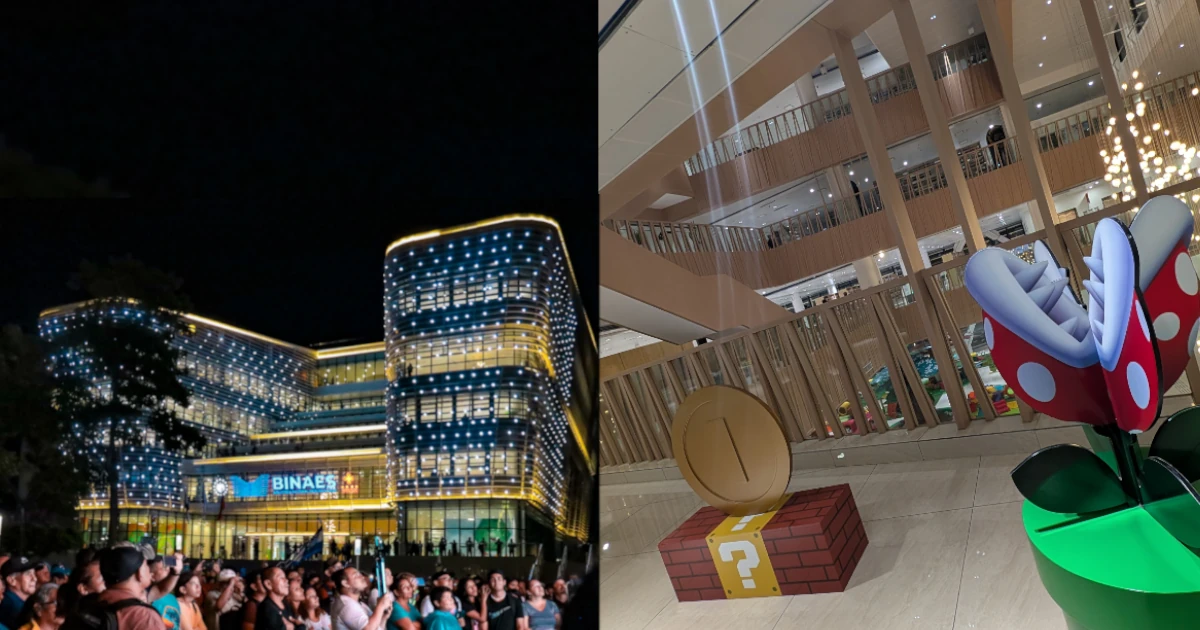
Bukele’s Futuristic BINAES Library Blends Books, Bitcoin, and Family Play in Revitalized Capital
Located in the heart of the country’s capital, El Salvador’s BINAES library stands tall as a monument to the love of knowledge, literature, and technology—accessible to the public 24 hours a day, for free. Positioned directly in front of and carefully aligned with the Catedral Metropolitana de San Salvador, BINAES is also surrounded by the Palacio Nacional de El Salvador (to its left/side) and the Jardín Centroamérica, all symbols and reminders of a dream. The dream of a society that elevates beauty, the love of knowledge and faith, and shares them with the world.
Having traveled to many countries and cities in my lifetime, I have to say that the safety, tranquility and cleanliness of this area of San Salvador was remarkable. An unignorable contrast to the city squares of many western capitals, often unsafe, filled with garbage, and host to the homeless and drug addicted. Instead, both outside the library, in the gardens and walkable roads of the city square, as well as inside the library, palace and gardens, children and their families can be seen at peace, running around, enjoying this national treasure.
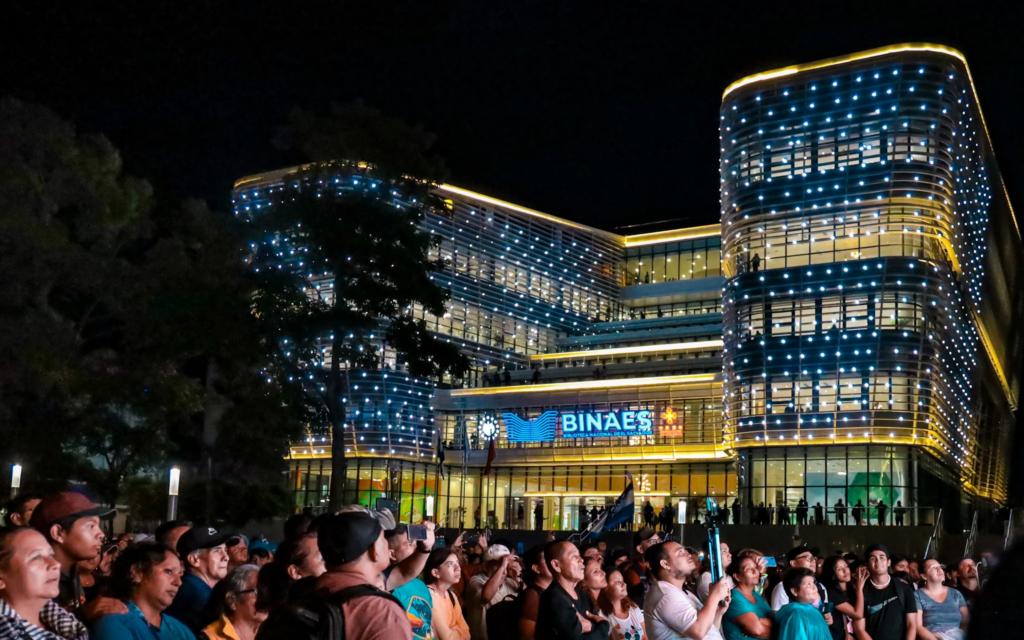
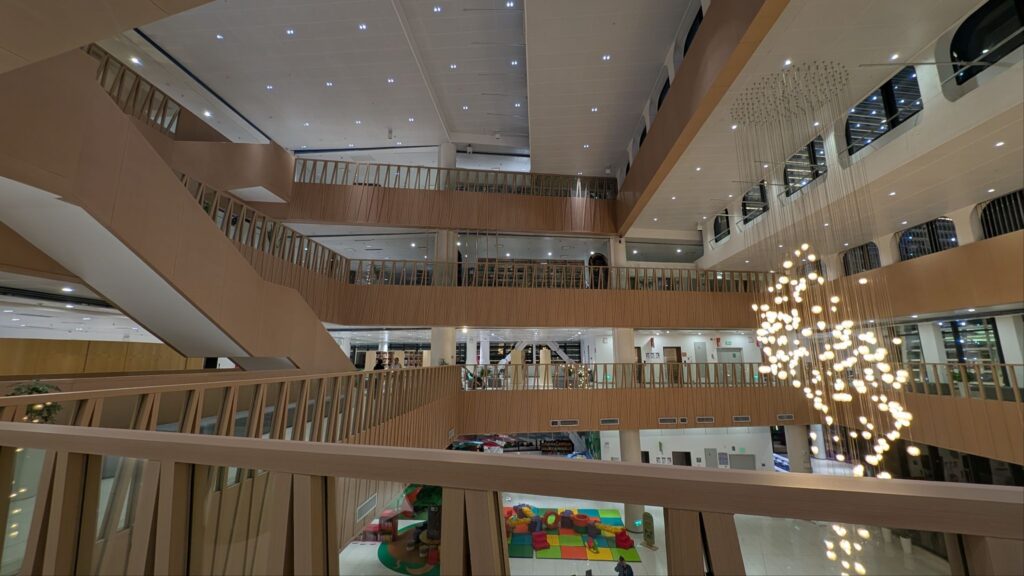
Donated to El Salvador by the Chinese government, BINAES is 7 stories tall with a wide range of amenities, including a cafeteria on the first floor and an Italian restaurant on the 7th. Plenty of room to host events of various sizes, public and private. BINAES stands out with an elegant futurist design, congruent with its facilities and a vision for the future of El Salvador, which also prominently features Bitcoin technology and educational materials.
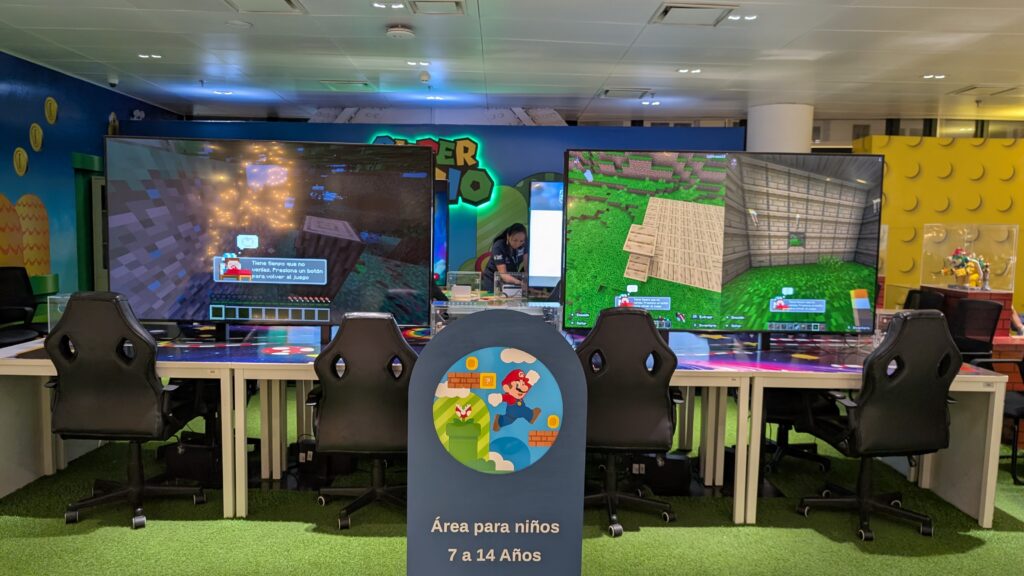
With a strong focus on supporting families and the next generation, the second floor is a young children’s playground filled with educational tools, books and physical entertainment options for children to unleash their energy. The third floor has a large section dedicated to LEGOs, a powerful educational tool known to stimulate a love of building in children, with multiple tables where parents sit with their kids and play. It also hosts children’s video games, such as collaborative and family-friendly games like Mario Party and the legendary Minecraft.
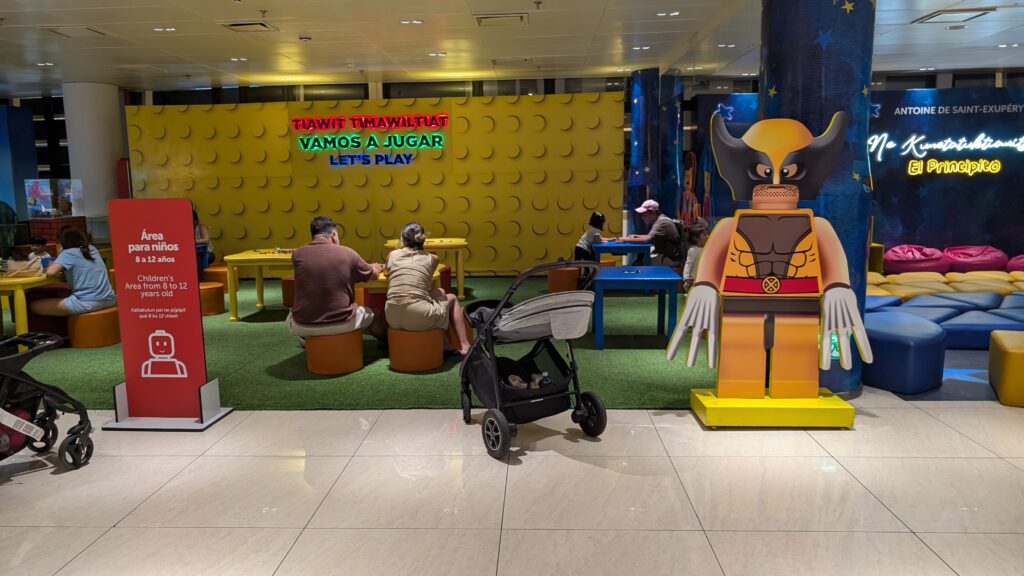
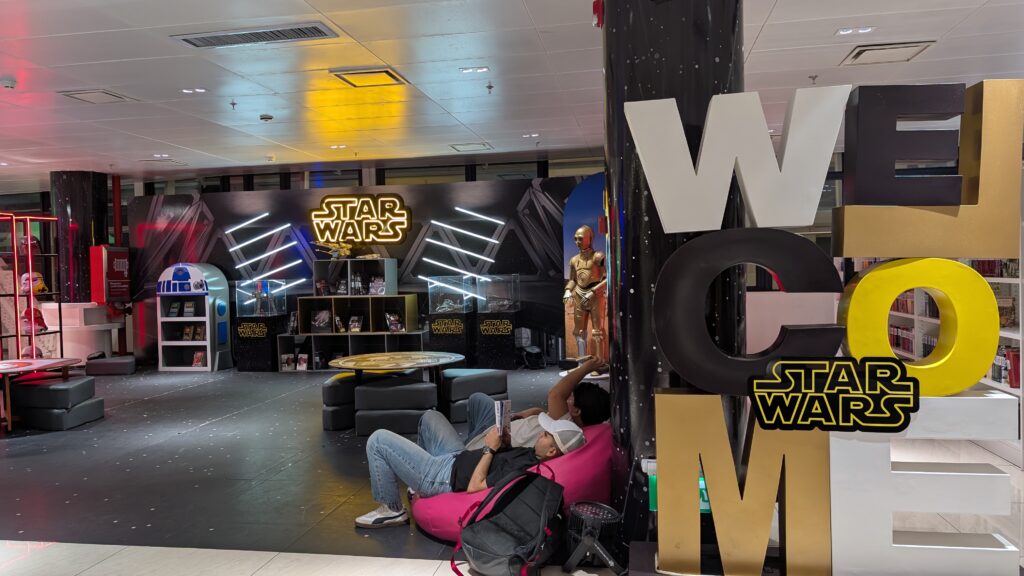
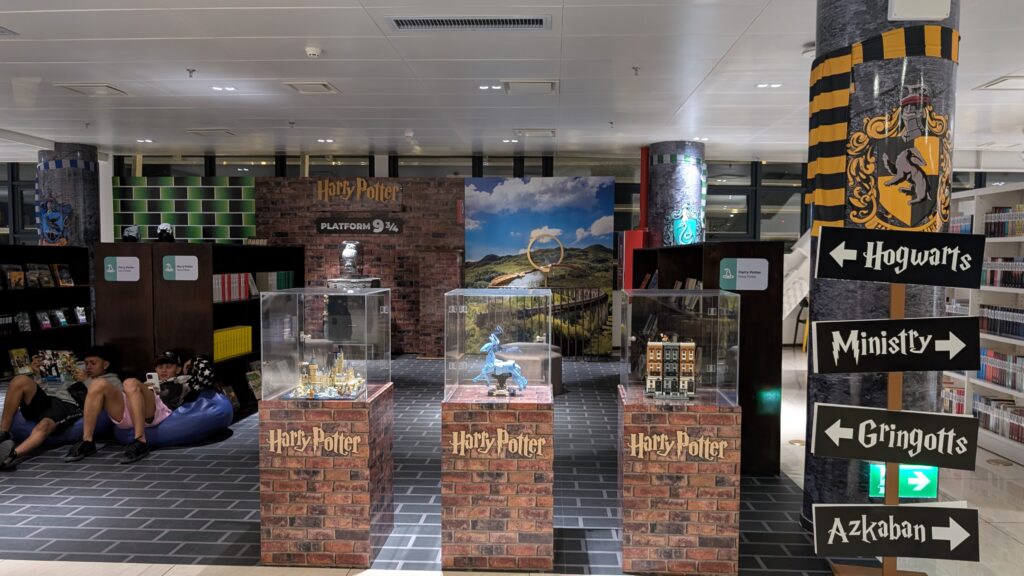
The fourth floor is aimed at children 8-12 as well as fans of fantasy and fiction, with dedicated Star Wars, Lord of the Rings, and Harry Potter areas, as well as hundreds of manga books featuring some of the greatest stories of the Japanese genre. Many of these areas include collection grade legos and merchandise from the films, as well as, of course, full libraries of books for each fictional universe.
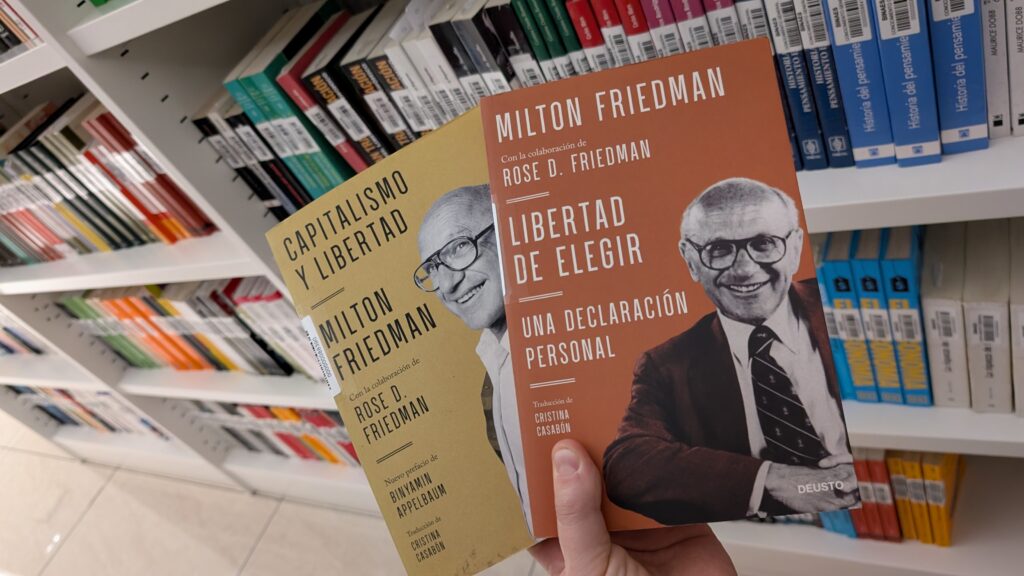
The fifth floor is home to literature, history and books for adults, considered the core of the library, with thousands of books on all major genres of knowledge. Among them, a vast section on social sciences, which includes economics, hosting some samples of libertarian Austrian economists like Mises, Milton Friedman, Rothbard, and Ayn Rand, though not too deep a variety.
This specific topic, which is very important to the history, economic theory of Bitcoin and its cultural roots, is one that the library got some criticism for years ago when it was first completed. Back then, a popular tweet claimed the library had no works on libertarian economic theory, something which today has changed, but could improve further. Their collection, for example, had no fictional work by Rand, only a couple of her philosophy books; this is something that can actually be changed easily enough, though, as the library does accept book donations. Donors can contribute by first emailing BINAES staff at [email protected].
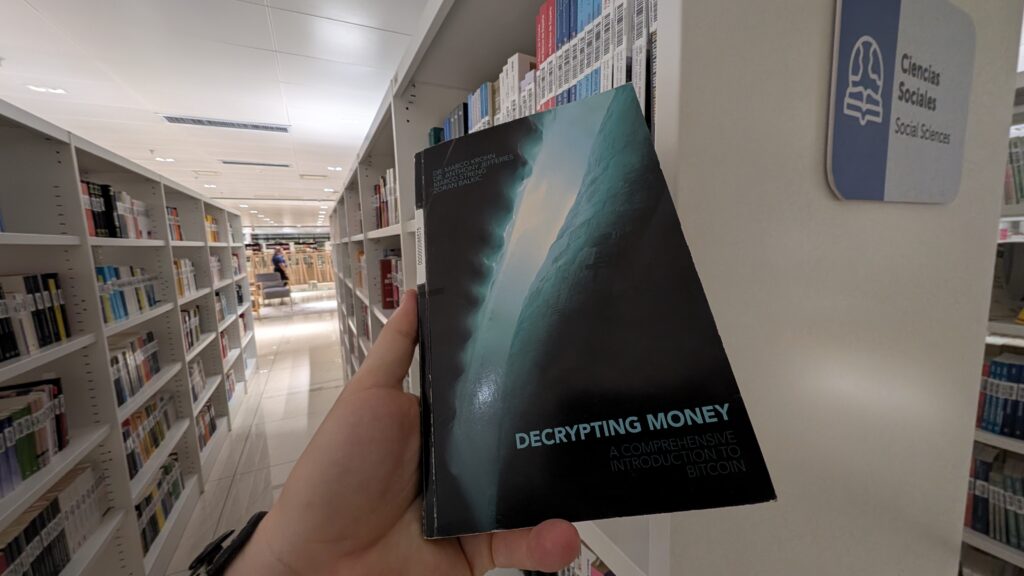
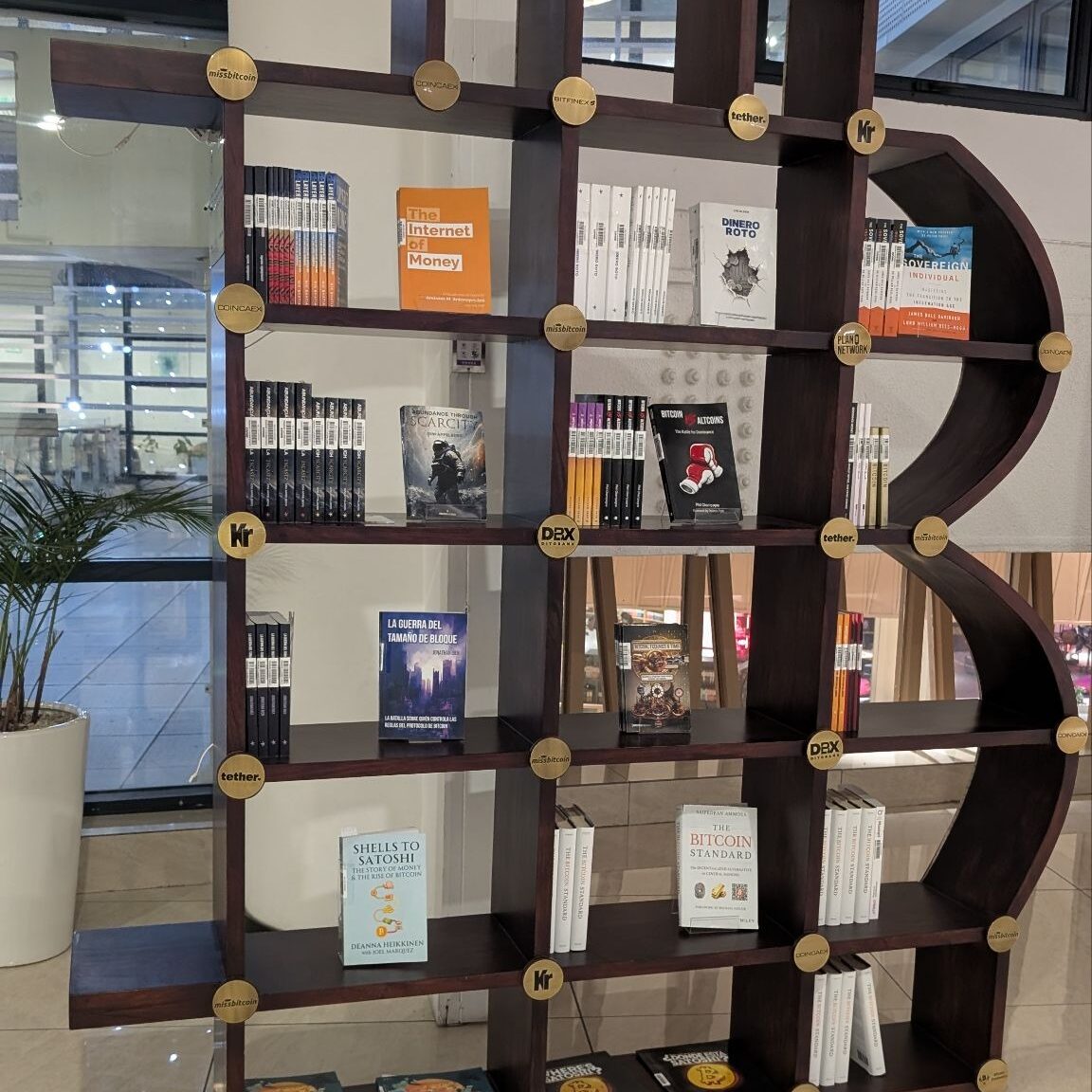
The sixth floor is the high-tech area. Coming out of the elevators, the first thing you see is a Bitcoin-shaped bookshelf with a solid collection of Bitcoin literature, covering its economics, software architecture and history of money, among many other topics. This specific installation is a project by Alejandra Guajardo, also known as Miss Bitcoin, the Salvadorian model who represented the nation in the Miss Universe pageant of 2022. Her Bitcoin Book Shelf initiative looks to deploy installations of this sort in libraries all over the world, with an expansion to Mexico in the works. Bitcoiners who want to lead the installation of Bitcoin bookshelves in their local libraries can contact her to make it happen.
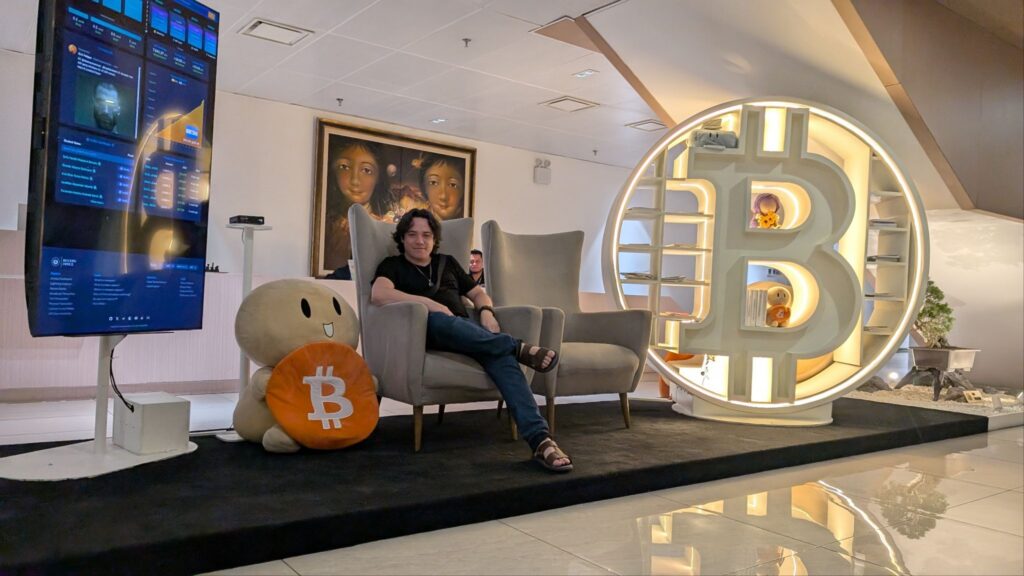
In the center of the same floor is a beautiful Bitcoin lounge area, with another similarly shaped bookshelf and various Bitcoin plushies called Little Hodlers led by artist and Bitcoin evangelist Lina Seiche. A massive screen shows Mempool.space, a slick and very popular Bitcoin block explorer, showing live network data and statistics.
This floor is also home to 3D printers, tools for robotics work, interactive digital screen-style whiteboards, a full gaming area with top-of-the-line gaming consoles, a virtual reality area, computers available to the public for research, and a digital collection of over 9 million books accessible to the public. As well as various dedicated office-like environments for students and teams to take advantage of and get some work done.
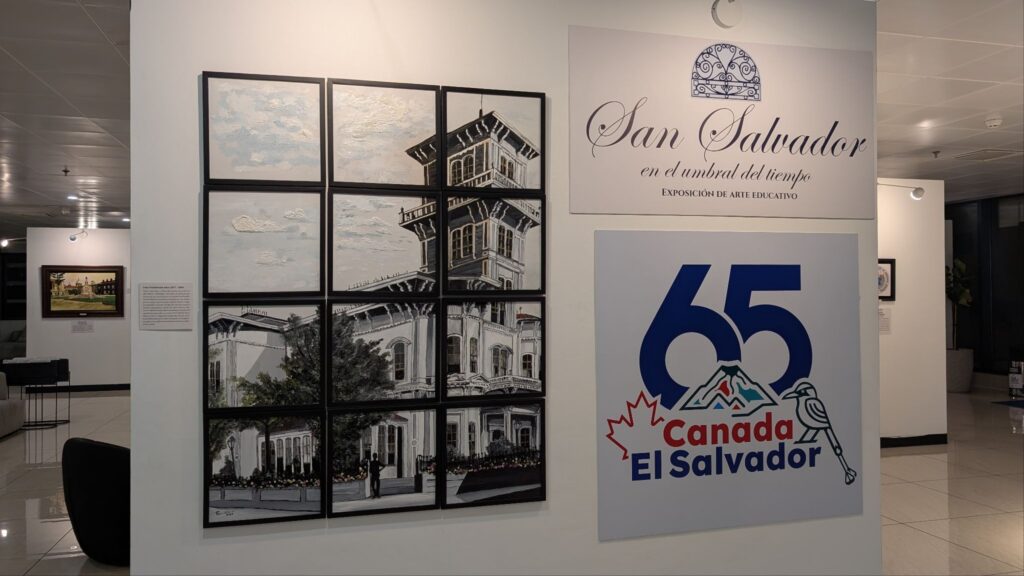
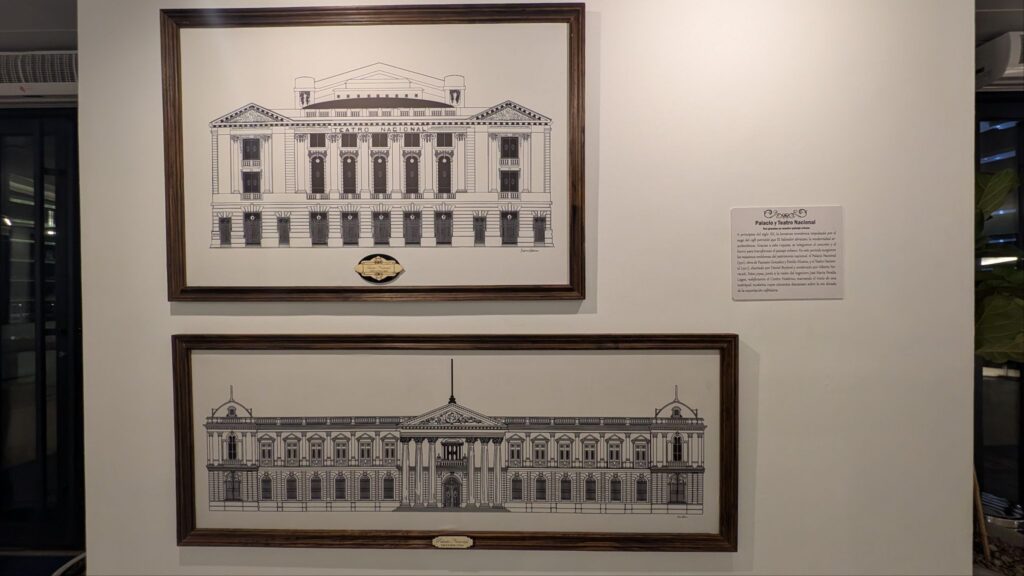
Last but not least is the seventh floor, home to the art gallery, which at the time of my visit was hosting a variety of art pieces, showing the history of El Salvador through the architecture of iconic locations in the area. In the center of this art hall, between the gallery and the Basílico Italian Bistro, are photographs of Bukele and first lady Gabriela Bukele, perfectly aligned with the Metropolitan Cathedral across the square, a beautiful architectural detail that reinforces a harmonic union between the classic arts and faith.
Overall, despite the high-tech Chinese design of the library, which somewhat contrasts against the classical Roman architecture of the area, the BINAES library is likely to stand as a visionary legacy of the self-described Philosopher King and his administration.
This post Bukele’s Futuristic BINAES Library Blends Books, Bitcoin, and Family Play in Revitalized Capital first appeared on Bitcoin Magazine and is written by Juan Galt.