New research from the Maine Department of Labor paints a complex picture of the implications that artificial intelligence will have on the state’s labor force.
The study examined tasks associated with specific jobs and determined whether technology such as ChatGPT or other similar models could perform those tasks instead.
According to the research, about two-thirds of Maine jobs are in occupations where less than 40 percent of tasks could be shaped by AI.
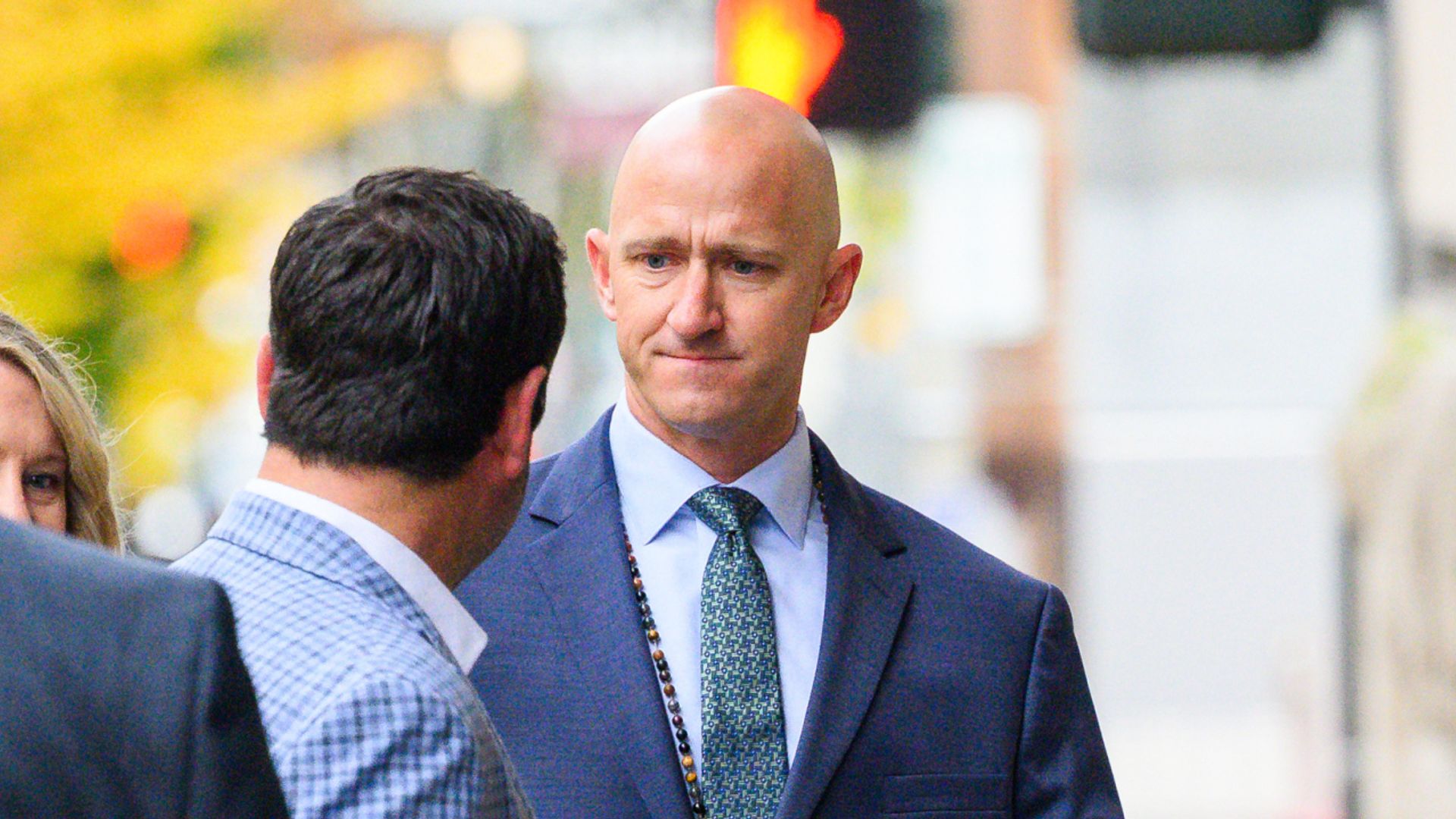
“That does represent a large segment of our workforce in Maine today that are probably likely to be minimally impacted or use tools like Chat GPT for a relatively limited amount of their typical workweek,” said Mark McInerney, director of the department’s Center for Workforce, Research and Information.
Meanwhile, roughly 11 percent of Maine jobs are in occupations where 60 percent or more of the tasks could be affected by AI, according to the study.
Jobs, for example, in computer science and office and administrative support have the potential to be most impacted by AI. Often, these jobs are among the highest paid occupations around the state, and they often require some sort of post-secondary degree, according to the research.
Unlike the automation boom that primarily affected manufacturing jobs and factory hubs in Maine, the impacts of AI will be more broadly distributed throughout the state’s labor force, McInerney added.
“Health care, legal, professional business services — across the board these skillsets are important in many sectors,” he said. “They are not necessarily jobs that are as concentrated either in specific sectors or in specific geographic areas of the state.”
Jobs in construction, food service, maintenance and other trades that rely on physical labor may be less affected by AI. Many of these jobs tend to be among the lowest paid in the state, McInerney said.
Though AI has gotten a lot of attention in the media, McInerney stresses that the emerging technology will not immediately overtake tasks and jobs around the state. Instead, forecasters project that the impacts will be more slowly felt throughout the Maine workforce.
This story appears through a media partnership with Maine Public.