The post Charles Hoskinson Says Ripple Will Keep Selling XRP And Walk Away With The Money appeared first on Coinpedia Fintech News
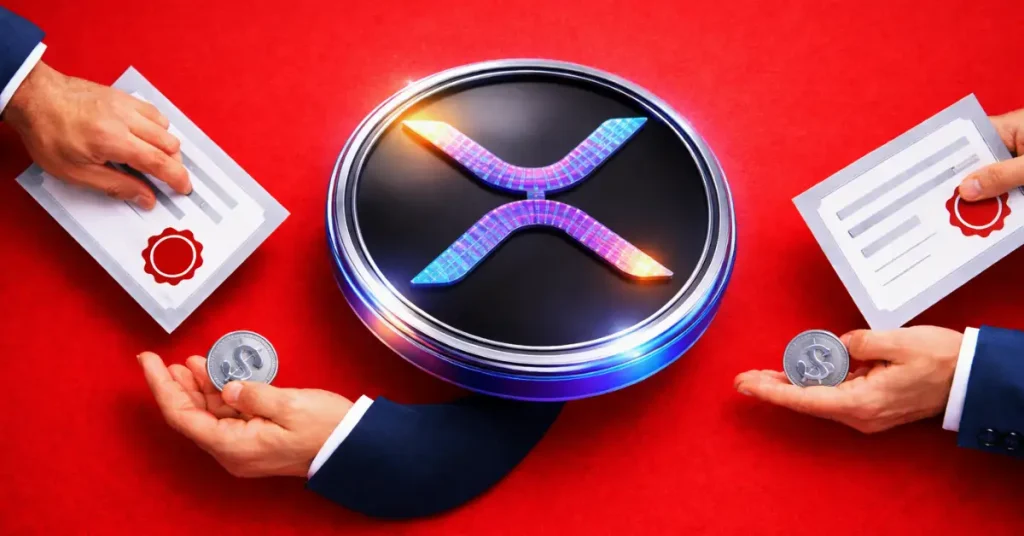
Cardano founder Charles Hoskinson has taken a swipe at Ripple, saying the company has no intention of linking its business model to XRP token buybacks and that holders should not expect to share in the wealth the firm is building.
Speaking in a conversation, Hoskinson said Ripple’s approach has been consistent for over a decade. The company sells XRP, generates billions of dollars and uses those funds to acquire hard assets through a corporate structure that XRP holders have no ownership of. Token holders, he said, do not get access to the prime brokerage business or any of the other valuable pieces Ripple is building with the proceeds.
What He Thinks Ripple Should Do
Hoskinson acknowledged there is a path Ripple could take that would make XRP genuinely attractive. If the company committed 20 to 30% of its revenue to XRP buybacks, he said, it would fundamentally change the token’s value proposition. He pointed to Hyperliquid as an example of how buyback programmes work in practice, noting that the project climbed from outside the top 30 into the top 10 by market capitalisation largely on the back of its buyback mechanism.
The model is not complicated. Use the platform, generate revenue, buy back the token. But Hoskinson said Ripple has neither a financial incentive nor, currently, a statutory incentive to do that. Without regulatory pressure forcing the issue, he does not expect the company to voluntarily redirect profits toward token holders.
The EOS Warning
To illustrate his concern, Hoskinson reached back to one of crypto’s most infamous examples. Block One raised $4 billion for the EOS token in 2018 and almost immediately declared it had no fiduciary obligation to EOS holders. The company walked away with the money and the token community was left with nothing.
Hoskinson said the same dynamic could play out with XRP, and warned it would be a serious mistake given how vocal and passionate the XRP community is. A situation where Ripple accumulates billions in real assets while token holders get nothing, he suggested, is the kind of thing that tears communities apart.
The Bigger Picture
Hoskinson’s comments land at a moment when the Digital Asset Market Structure Clarity Act is working its way through the US Senate. If the bill passes, it could establish clearer frameworks around token utility, revenue sharing and issuer obligations. Whether that creates any legal pressure on Ripple to connect its business model to XRP remains to be seen.