The NHS “came close to collapse” during the pandemic, the chair of the UK COVID-19 Inquiry has said.
“We coped, but only just,” Baroness Heather Hallett concluded in the inquiry’s third report, released on Thursday.
She said UK healthcare systems “teetered on the brink of total collapse”.
Module 3, the third of the inquiry’s 10 investigations, has examined the impact of COVID on healthcare systems across the four nations.
It investigated how governments and society responded to the pandemic, the capacity of healthcare systems to adapt and the impact on patients, their loved ones and healthcare workers.
The report, based on the testimony of 97 witnesses, found the UK entered the pandemic “ill-prepared”, with this fragility leading to “profound consequences” once the crisis hit.
Meningitis outbreak latest: Number of cases rises again
What is behind the UK’s meningitis outbreak and how serious is it?
Interest rate hikes could mean more misery for consumers, as war takes toll on pockets
It says that, despite the best efforts of healthcare workers, many COVID patients did not receive the care they would otherwise receive, and non-COVID patients had their diagnoses and treatment delayed.
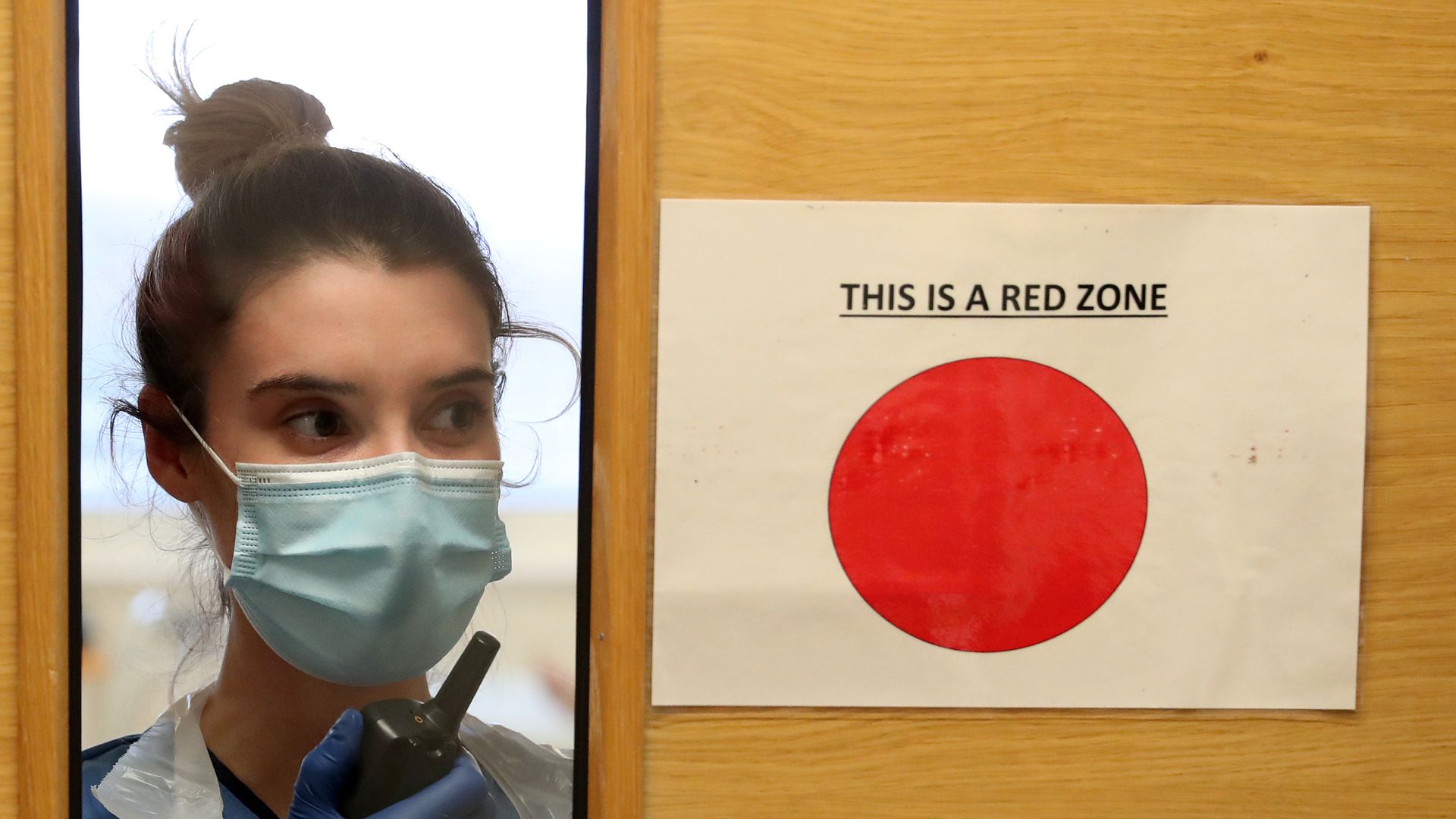
Baroness Hallett said healthcare workers “carried the burden of caring for the sick in unprecedented numbers” during the pandemic.
“It came at a huge cost to them, their families, their patients and the loved ones of patients,” she added.
The system’s collapse was only “narrowly avoided thanks to the extraordinary efforts” of healthcare workers, she said.
Baroness Hallett said: “The enormous strain placed upon the healthcare systems was unprecedented.
“Those working within it were obliged to work under intolerable pressure for months on end.”
The report makes 10 recommendations “to prevent healthcare systems being overwhelmed in the next pandemic”.
These include increasing capacity in urgent and emergency care and ensuring hospitals have “surge” capacity, strengthening the body responsible for infection prevention and control guidance, and better advance care planning.
Health correspondent
This report will make for extremely difficult reading for so many people.
For the bereaved who were not allowed to say goodbye to their loved ones who died alone in hospital beds, for the healthcare workers who were brought to their knees by the unrelenting pressure and continue to live to this day with the mental and physical burden of the pandemic, and for the non-COVID patients who became desperately ill because poor public messaging confused them into thinking they should not seek treatment for their heart attacks and strokes.
Baroness Hallett’s report is damning. We all suspected the healthcare system was close to collapse.
But politicians and healthcare leaders kept repeating the same mantra: “The NHS copes because it always copes.”
I have lost count of the number of times I was told that.
Well, this report tells us it very nearly didn’t. It was overwhelmed.
Not just because of the spiralling numbers of infected patients but because the UK’s healthcare system was already overstretched and in a precarious state.
We were ill-prepared for a health emergency. Scaremongering is not in the public interest but a fair and frank assessment of the situation surely would have helped people understand the gravity of the situation.
The politicians argue that this was an unprecedented global health emergency and a rapidly changing scenario but we know now many more lives would have been saved if the NHS had been properly funded and resourced.
The real heroes of this pandemic have, rightly, been praised; the country’s healthcare workers who put their lives at risk, despite being exposed to infection because of poor planning and a lack of PPE.
Without their herculean efforts, the UK’s healthcare system would have broken down completely.
Campaign group COVID-19 Bereaved Families For Justice labelled the report and its conclusions as “utterly damning”.
It said the “devastating” impact on UK healthcare systems during the pandemic could have been avoided.
“Years of austerity left the NHS dangerously exposed, without the staff, beds or resilience needed to withstand a major shock,” the group said.
“That was a political choice.
“And when the pandemic hit, those in power failed us again.
“They failed to act early enough, failed to follow the evidence, and failed to respond with the urgency the moment demanded.”
Looking ahead, the group says the UK’s health service is now in a worse position to cope with another pandemic than it was six years ago.
Be the first to get Breaking News
Install the Sky News app for free
Read more Sky News:
Man traps armed robber inside shop
Rwanda demands more than £100m from UK
It says the current meningitis outbreak in Kent “underlines why restoring resilience and capacity to our health system should be a matter of priority for those in power”.
“That’s why what happens now is so important. This report must not be left to gather dust and its recommendations should be the floor, not the ceiling, of the government’s ambitions.
“We urge the government to use this report as a catalyst for change. Failing to do so would be unforgivable.”
A government spokesperson said “it is committed to learning the lessons of the COVID Inquiry”.
They added: “We will consider Baroness Hallett’s findings and recommendations carefully and respond in full in due course.”