Ripple is reshaping how builders on the XRP Ledger get funded in 2026, arguing that the ecosystem has reached a point where support needs to flow through more than Ripple-linked programs alone. The change matters because it signals a deliberate move away from a relatively centralized funding structure toward a broader network of DAOs, independent hubs, universities and venture partners.
In its latest ecosystem update, Ripple said more than $550 million has already been deployed into XRPL initiatives since 2017, spanning non-equity grants, builder incentives, strategic partnerships and growth programs. Since 2021, those efforts have included hackathons, builder bounties, XRPL Grants and the XRPL Accelerator, with nearly 200 projects supported across areas including payments, DeFi, tokenization, AI, gaming, e-commerce and enterprise finance.
XRP Ledger Enters New Phase
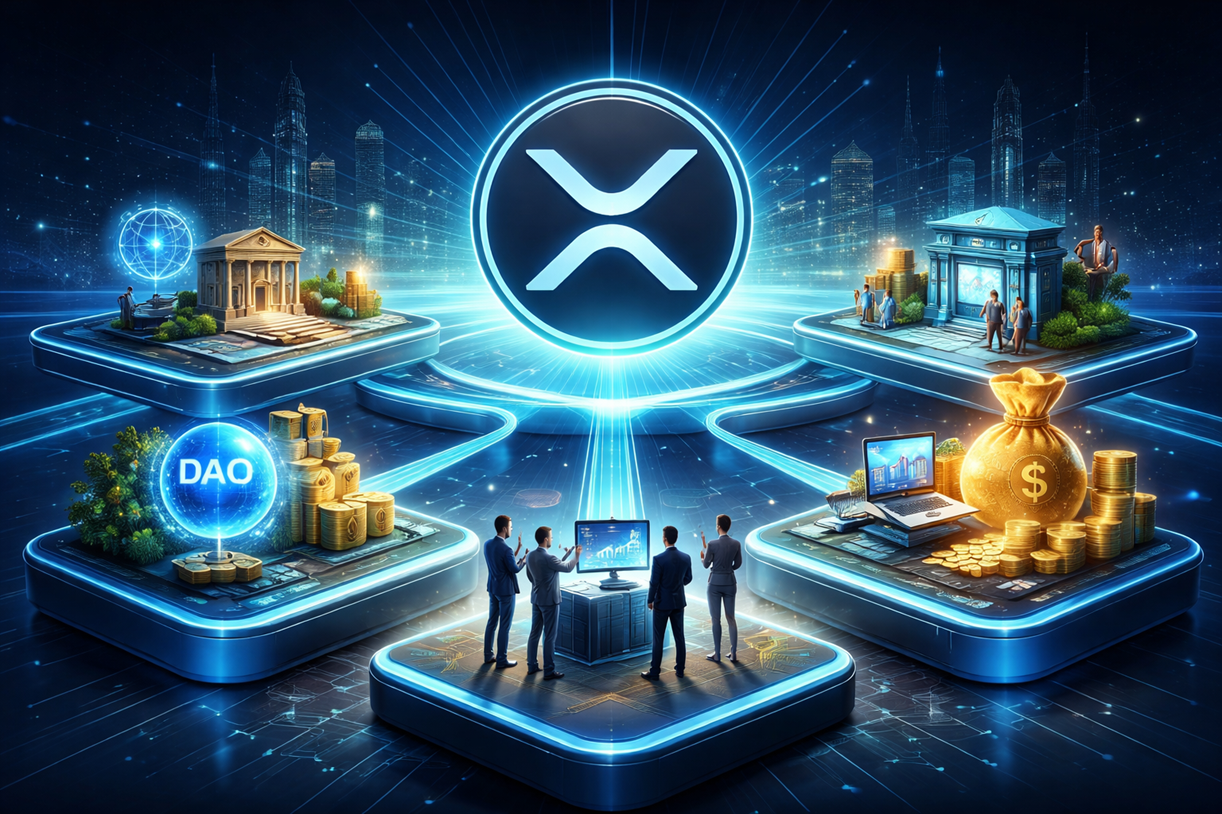
The core message is that 2026 marks a structural pivot. Ripple said ecosystem funding has historically flowed through Ripple-supported channels, but that the next phase will lean on a “more distributed model” in which independent organizations, regional hubs, venture firms and community-led initiatives take on a larger role. The company framed the objective as giving builders “multiple channels” to access capital and support, rather than relying on a single gatekeeper.
At the center of that shift is a new FinTech Builder Program aimed at startups building institutional-grade financial applications on XRPL. Ripple said the program will focus on use cases including stablecoin payments, credit infrastructure, tokenization and regulated financial services, while offering more than a traditional grants track. According to the post, founders will get support “across the entire development lifecycle,” from product design through market launch, with help on XRPL integration, strategy and partnerships.
Ripple also outlined a wider support stack around that program. That includes expanded accelerator partnerships with venture firms and startup platforms, regional startup competitions, and builder awards meant to help projects after hackathons or competitions, when early traction still needs a bridge to something durable. The emphasis throughout is less on one-off experimentation and more on getting teams to production-ready financial products.
The more interesting signal, though, may be where decision-making starts to move. Ripple highlighted XAO DAO as a hybrid DAO built for XRPL that will fund developers, community builders and early-stage ideas through microgrants. It said the DAO is designed to “amplify community voice” and create feedback loops where members submit proposals, vote on priorities and help steer the ecosystem’s direction.
In parallel, XRPL Commons is positioned as an independent pillar of support, with Ripple explicitly saying the aim is to ensure that “no single organization becomes the sole gatekeeper” for ecosystem funding.
Other pieces of the 2026 map point to geographic and institutional expansion. Ripple said XRP Asia is being developed as a dedicated APAC hub with a long-term plan for localized funding and regional ecosystem growth.
UDAX, first launched with UC Berkeley in fall 2025, is set to expand this year to Fundação Getulio Vargas in São Paulo, Oxford in the summer, and Berkeley again in the fall. Ripple also pointed to growing venture participation from firms including Dragonfly, Pantera, Franklin Templeton and Tenity as another sign that XRPL is trying to mature from grant-backed experimentation into a venue for fundable, production-scale startups.
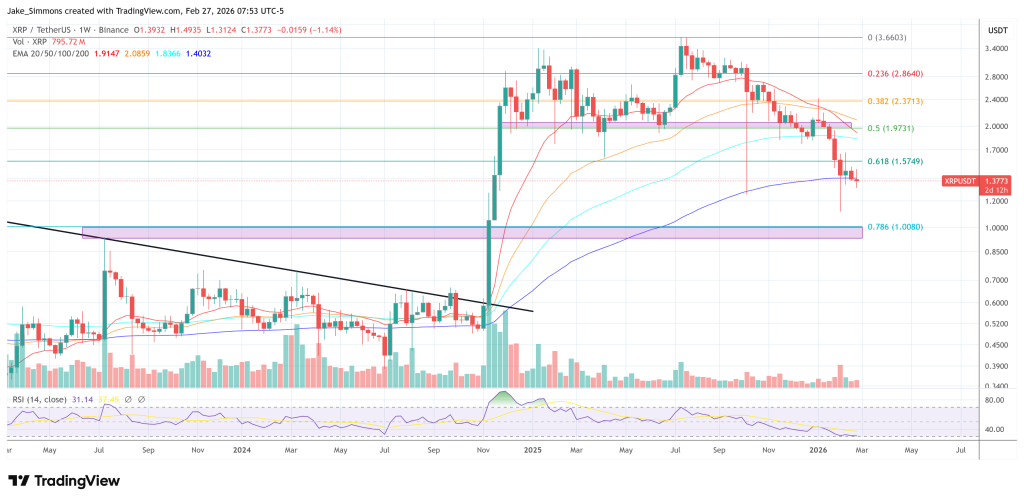
At press time, XRP traded at $1.3773.