U.S. Sen. Susan Collins signed a petition in support of a 2026 referendum effort that Maine Republicans are pushing to ban transgender students from sports and private spaces that align with their gender identity.
It was a notable step for Maine’s Republican senator, who is awaiting a 2026 reelection battle against the winner of the Democratic primary that features Gov. Janet Mills and Sullivan oyster farmer Graham Platner as the frontrunners and typically does not weigh in on state-level issues.
But the senator’s office confirmed she signed her name Sunday onto a petition to strip Maine’s longstanding protections for transgender students, saying Collins did so because she agrees with President Donald Trump’s interpretation of Title IX, the landmark federal law barring sex discrimination in schools that former President Richard Nixon signed in 1972.
The proposed referendum would require Maine public schools to designate teams for “male” or “female” players and require students to play on teams matching their sex as it appears on their birth certificates. It would also extend restrictions to spaces such as bathrooms. Students could file lawsuits if they feel they face injury or a lack of opportunity from playing sports with transgender peers. Girls could play with boys if no girls team is available in a given sport.
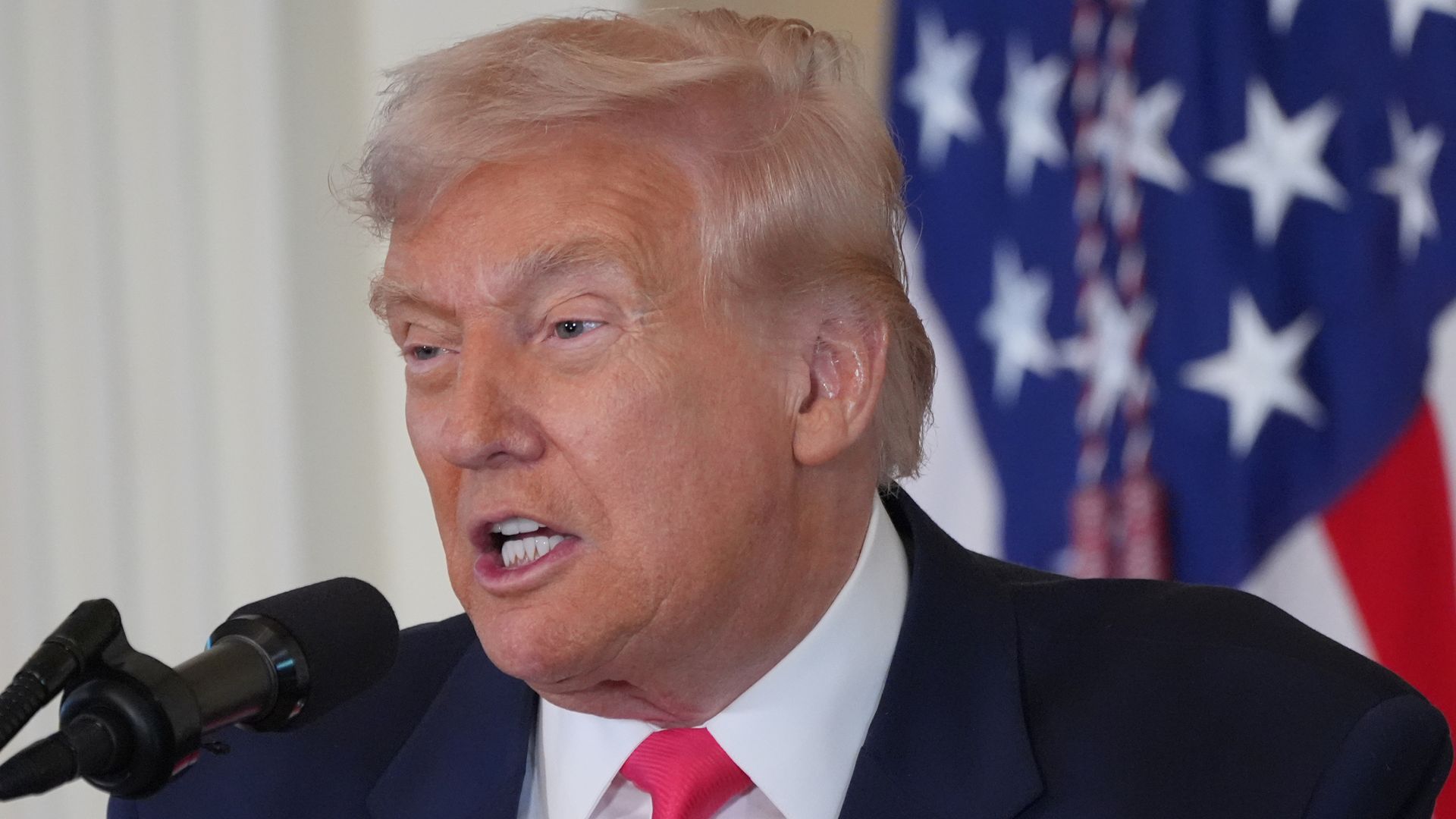
It is attempting to make Maine follow Trump’s legally untested stance that Title IX requires states to ban transgender athletes from sports aligned with their gender identity. Trump began targeting Maine and its federal funding after clashing with Mills over transgender athlete policies during a February event with governors at the White House.
His administration is suing Maine and other states that are among the nearly two dozen with similar protections in a pending case that could push the U.S. Supreme Court to rule on the matter. That case is scheduled to go to trial this spring.
“Reflecting this view of the federal law, she signed the petition, but will not be involved in the state referendum campaign because, as a federal official, she does not advocate on state ballot issues,” Collins spokesperson Blake Kernen wrote in a Monday email.
Collins expressed support in February for Trump’s view of Title IX while also saying she opposed his moves to yank Maine’s federal funding that Collins later took credit for helping to reverse or that courts blocked. Kernen did not immediately provide more information Monday afternoon on whether Collins has signed other ballot petitions while in office.
Mills has campaigned on her fight with Trump but has often shied away from talking about her personal stance on the issue, saying in the spring that Maine’s policies were worthy of a debate. Platner has said he does not support banning transgender kids from sports aligned with their gender identity.
Transgender athletes have been the focus of culture wars nationally and in Maine. Out of the tens of thousands of Maine high school students competing in sports, the Trump administration’s lawsuit against the state cited three transgender students competing here in girls sports. Last week, the Maine Human Rights Commission sued five school districts that have recently passed policies banning transgender students from playing sports and using bathrooms aligned with their gender identity.
Nearly two-thirds of Mainers responding to a University of New Hampshire survey in March said transgender women should be barred from women’s sports. That result echoed a Pew Research Center poll of Americans in February. In the same Pew survey, only 49% of Americans said they supported banning transgender people from public bathrooms that match their gender identities.
EqualityMaine Executive Director Gia Drew said in October the proposed referendum “drags the conversation about sports and bathrooms back into the public spotlight while most folks are more concerned about continued access to healthcare, the price of groceries and housing and ensuring they have heat this winter.”
Organizers of the 2026 referendum could start collecting petition signatures earlier this month and need roughly 68,000 signatures from registered voters by early February to get the question on the November ballot that will feature the Senate and 2nd Congressional District races along with the gubernatorial contest to succeed Mills as she is termed out of office.